No Control
Have you ever noticed that we live in a world obsessed with fixing the symptoms of suffering, while completely ignoring the engine that drives it?

We spend hours trapped in the maze of our own minds, endlessly overthinking our schedules, our finances, and our relationships. We point fingers at the outside world, convinced that if we just fix our external circumstances, we will finally find peace. But is that really how it works? If you peel back the layers of human anxiety, you discover a profound truth: the problem is never outside. The problem is always inside.
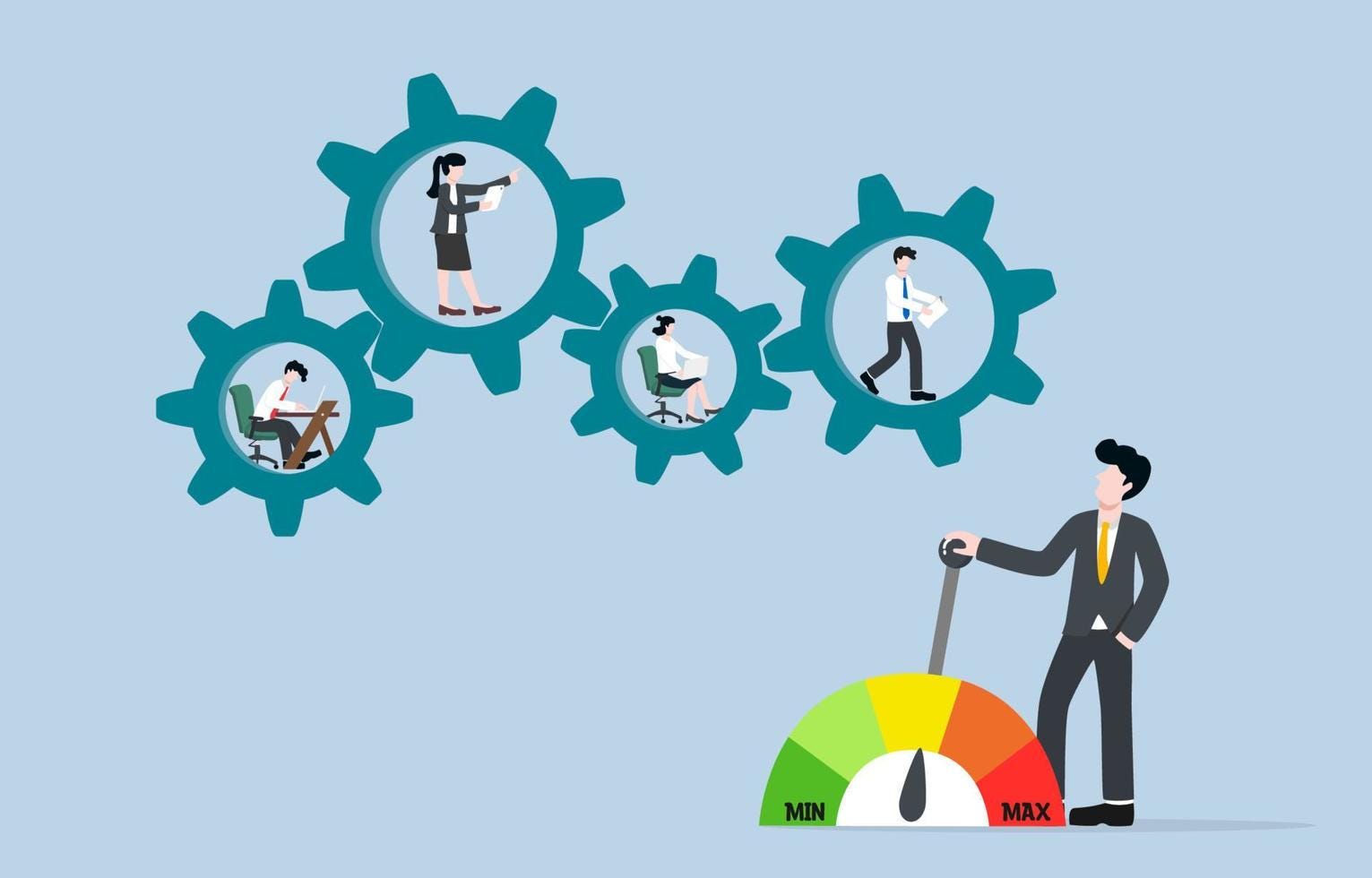
To understand why this is, we have to look at the exact boundaries of human independence and ask ourselves what we actually control. As human beings, our freedom is strictly limited to a single choice, which is the right to decide what we will do and what we will not do. We own our effort, our intent, and our behavior. But the very second an action leaves our hands, our control drops to zero.
Consider the paradox of a student preparing for a major exam. That student has total authority over whether they study and how hard they work. That effort is entirely theirs to command. But what happens to the final grade? It is influenced by an infinite number of variables completely outside their grasp. Yet, when the result doesn't perfectly match the labor, we refuse to accept it and spiral into a crisis.
This same friction wreaks havoc in our relationships. You have the absolute choice to treat someone you love with kindness, respect, and politeness. That behavior is completely within your power. But can you force them to reciprocate that energy? Can you command their emotions to mirror yours? Absolutely not. When they don't respond the way you want, the sharp sting of distress sets in. In both cases, we try to cross the line from managing our actions to demanding a specific outcome. Because we are trying to master something that was never ours to control in the first place, we inevitably break down.
If you look closely at these patterns, a single, common denominator emerges behind every ounce of psychological turmoil: Desire. What is this ultimate desire? It is the stubborn, non-negotiable, never-ending demand to enjoy the insistence that every outcome, every emotion, and every event must align perfectly with our personal script. We want to dictate our happiness, our sadness, and our anger. We have become servants to a never-ending cycle where even the smallest, micro-actions of our day are performed just to feed a craving.
We see this in the simplest daily habits, like the way we eat. We rarely eat just to nourish the body; instead, we hunt through kitchens and food apps driven by the intense desire to taste something good. If the meal doesn't taste exactly as we imagined, our entire mood is ruined. We see it in our casual interactions, where we carry a baseline desire that everyone around us should behave according to our convenience. The moment they act like independent people instead of characters in our script, we feel a flash of irritation.
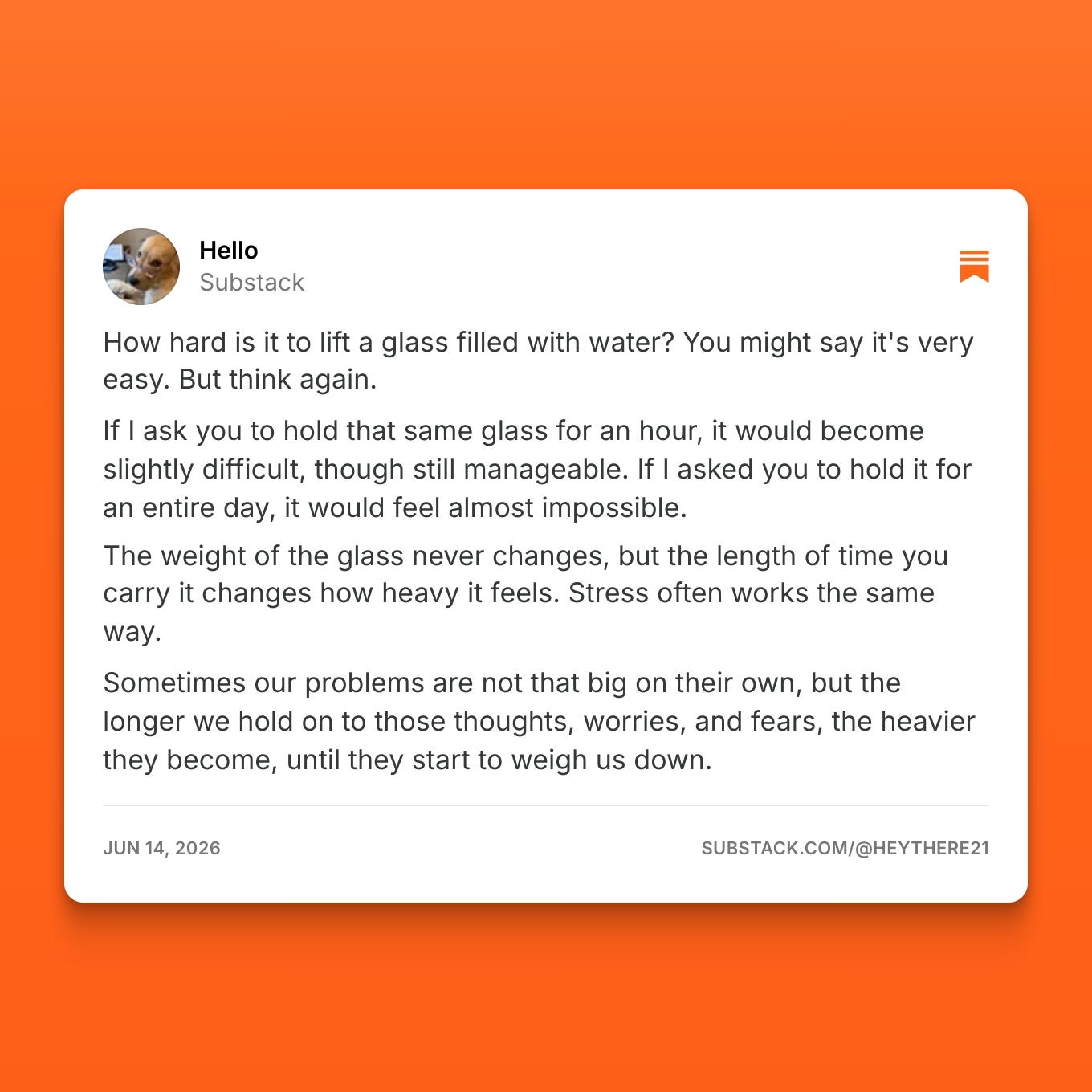
When the desires are met, we are temporarily happy. Satisfying a desire offers only fleeting peace, because the mind instantly manufactures a new craving to chase(that’s the reason I called it temporary). To protect this fragile happiness, we enter into a constant, exhausting practice of trying to control everything our senses, our relationships, and the fruits of our labor.
This is the ultimate illusion of the controller. We believe we are the authors of the future, but life does not bend to our expectations. Distress is not caused by what happens to us; it is the psychological tax we pay for fighting reality. It is the painful friction created when our rigid, internal desires crash head-first into an unpredictable, ever-changing world.
If we are completely honest with ourselves, the depth of our lack of control is staggering. It isn't just external outcomes or other people's emotions that escape our grasp even our own senses and minds are notoriously difficult to govern. If absolutely none of these things are truly within our power, what is the remedy? How do we find stability when we cannot control the world around us, or even the thoughts inside us? I am genuinely interested in exploring the answer to this riddle.
I would love to hear your perspective and insights on this.